
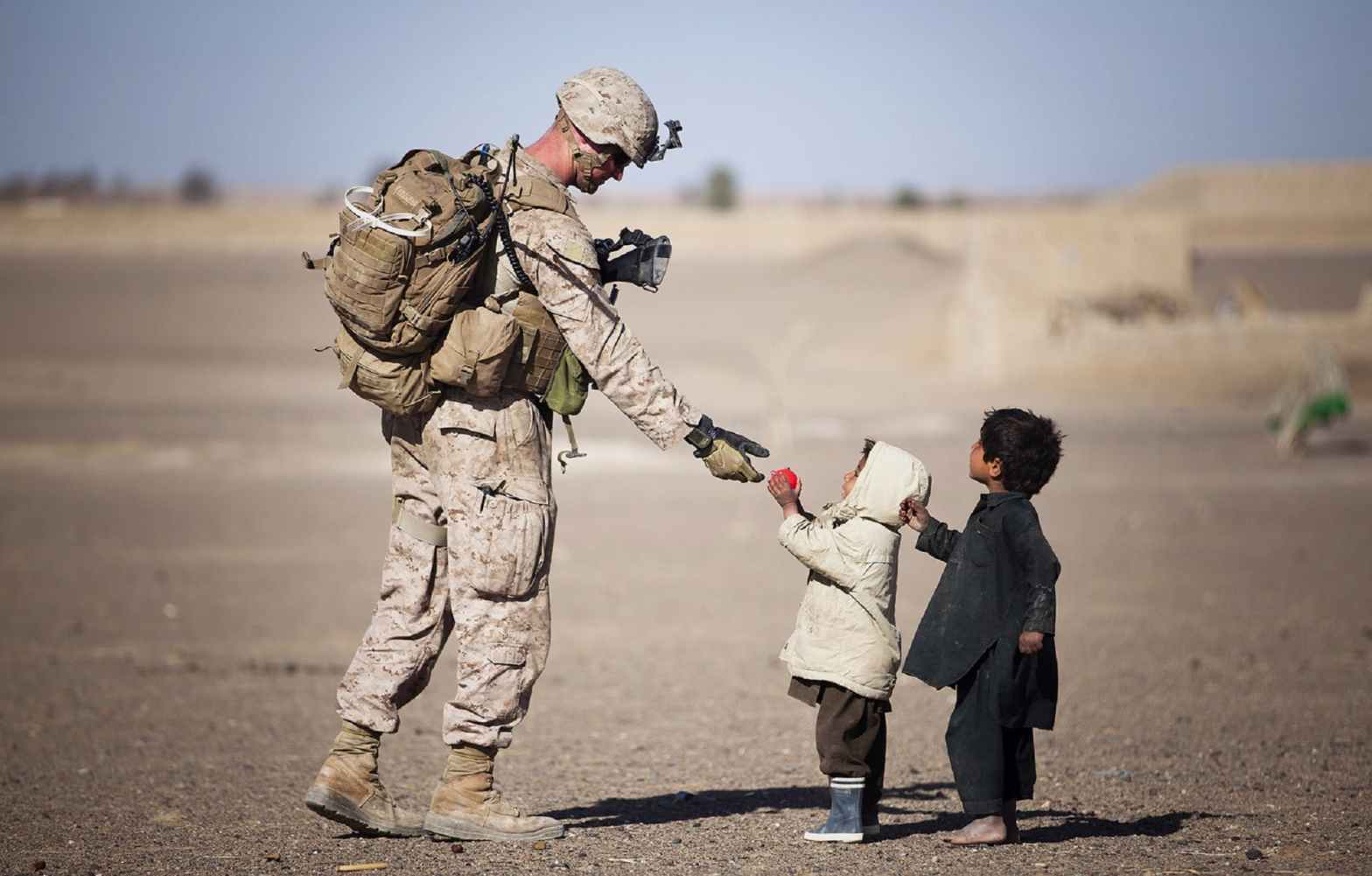
There are many different types of military tactical gear, including SOFT ARMOR. It was developed for the US Army in the 1960’s and is still used extensively by them. It was originally called magnetic armor and was made of a new material that had a magnetic force field that protected soldiers against lethal damage from close encounter weapons such as a rocket propelled grenade or rifle bullet. The theory behind the material was that it would encourage the body to release its own healing force to prevent serious injury. Although the technology was crude at the time, the US Army still used it extensively. The technology was later used in the creation of the much more modern LAMP, or Magnetic Anomaly Protection System, which was used in the Gulf War.
Different types of this soft armor can be classified according to the materials they’re made from, and the different types of stresses they’re designed to withstand. For instance, Level I and Level II are the lightest hard armor available, while the Level III is the strongest. These materials are typically made from high carbon steels and polycarbonate, although they can also be made from steel. All of the different types of armor are extremely effective in stopping bullet and knife penetrations. However, they’re not effective against other forms of projectiles, such as a high velocity paintball marker, which has a different impact on the body than other projectiles.
Another name given to this type of soft armor is soft plate. Although it doesn’t have the same effect as plate armor when stopping a bullet, it does reduce the severity of wounds caused by a bullet by stopping it before it leaves the barrel of the gun or enters a target. Because of this, the SOFT ARMOR material is also effective against shots that go over the target’s shoulder, or that stop short of the target. The material stops the bullet before it hits the target, reducing or completely stopping the projectile. In addition, because the material is extremely lightweight, the SOFT ARMOR doesn’t impair the movements of the user during shooting.
 Only Armor